APPLICATION ENGINEERING
Your part.
Our starting point.
A machine specification becomes useful when it meets a real component. Explore application considerations, then review your requirements with our team.
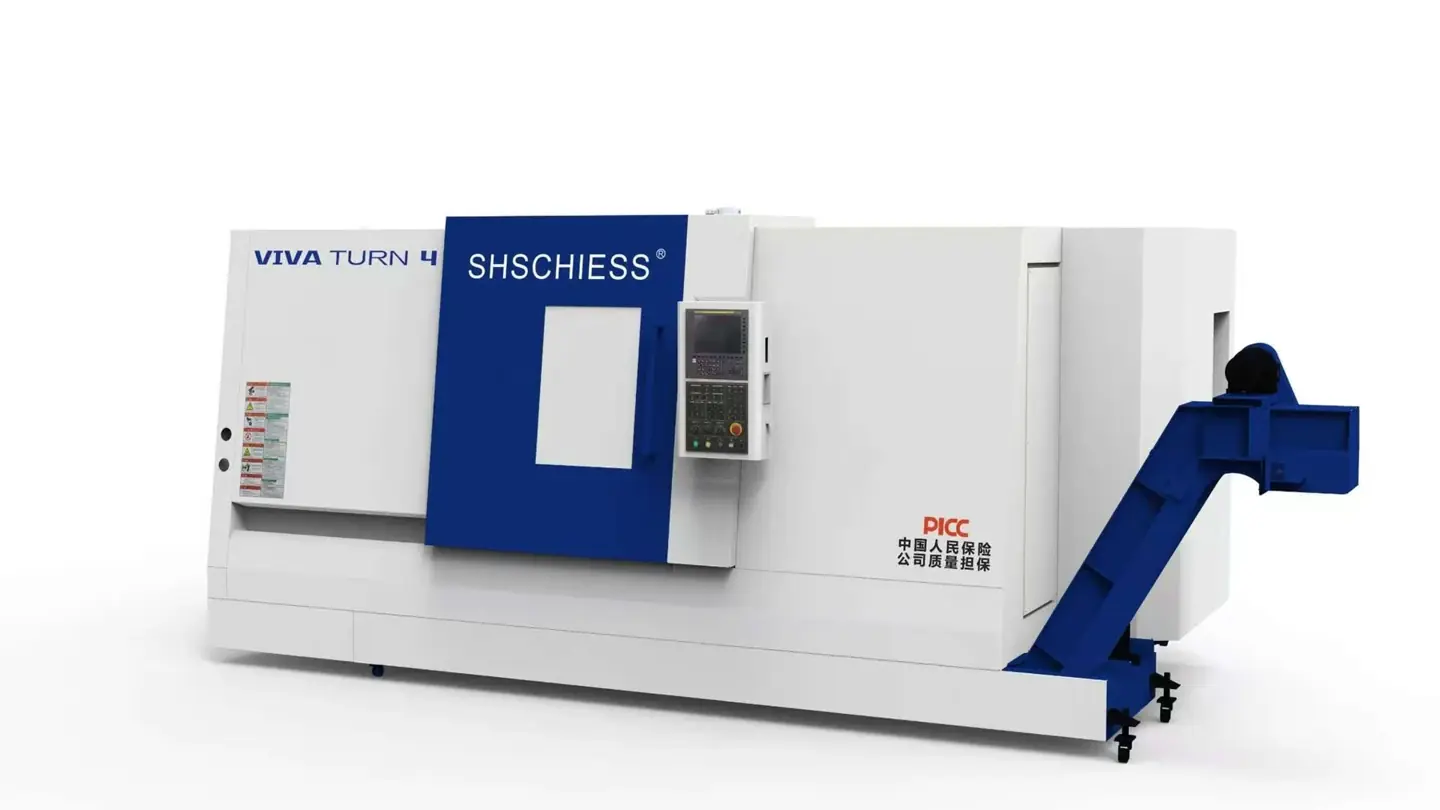
01 / SHAFTS, HUBS AND DISC COMPONENTS
Automotive & mobility
Turning concentric features, bores and faces requires the right workholding and a clear sequence of operations. Share your drawing and batch size to compare horizontal and vertical turning.
Explore relevant machines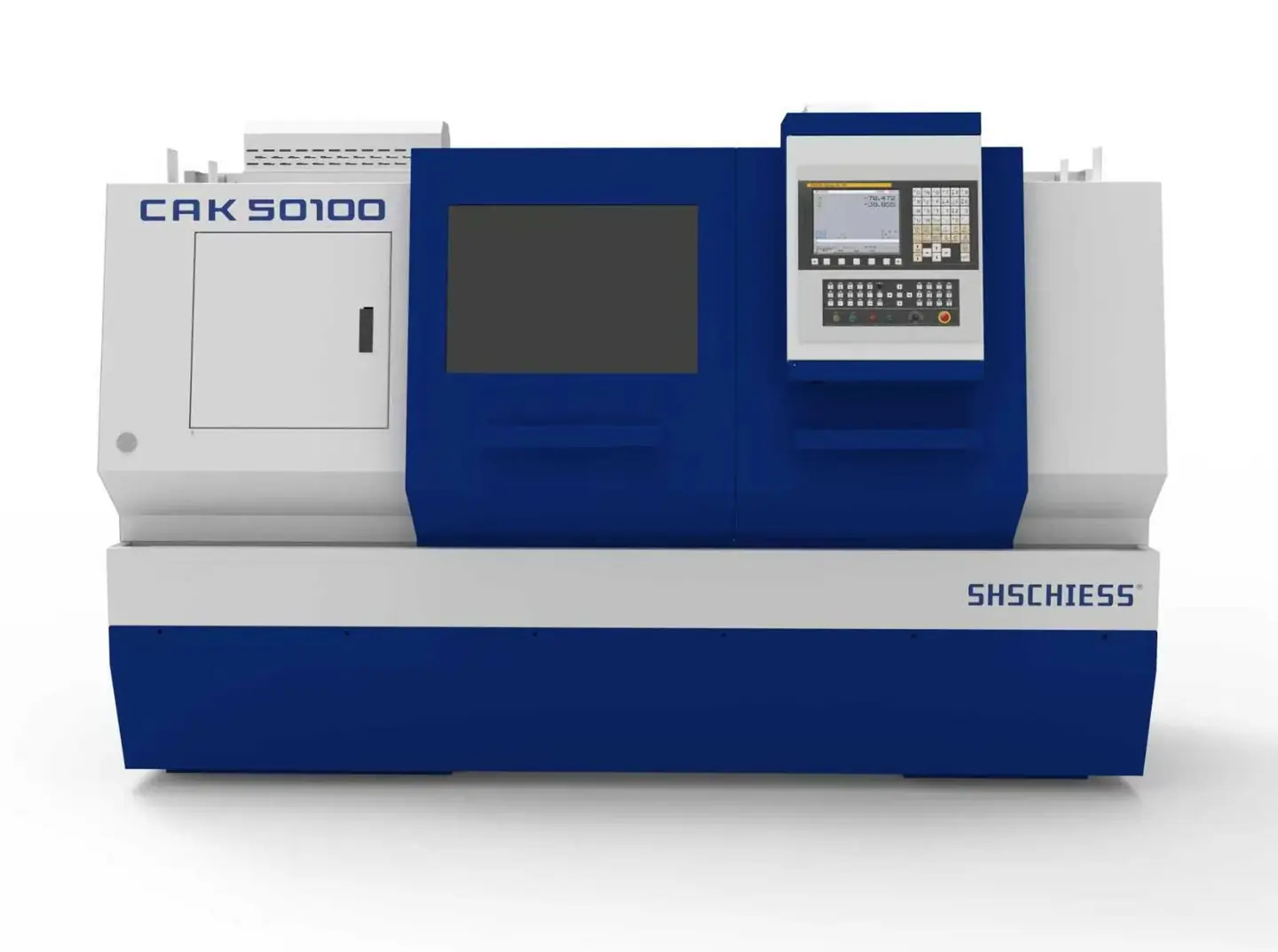
02 / MECHANICAL PARTS, FLANGES AND HOUSINGS
General engineering
Choose around workpiece size and access. Flat-bed turning suits many shaft and general engineering tasks; a machining centre adds milling, drilling and pocketing.
Explore relevant machines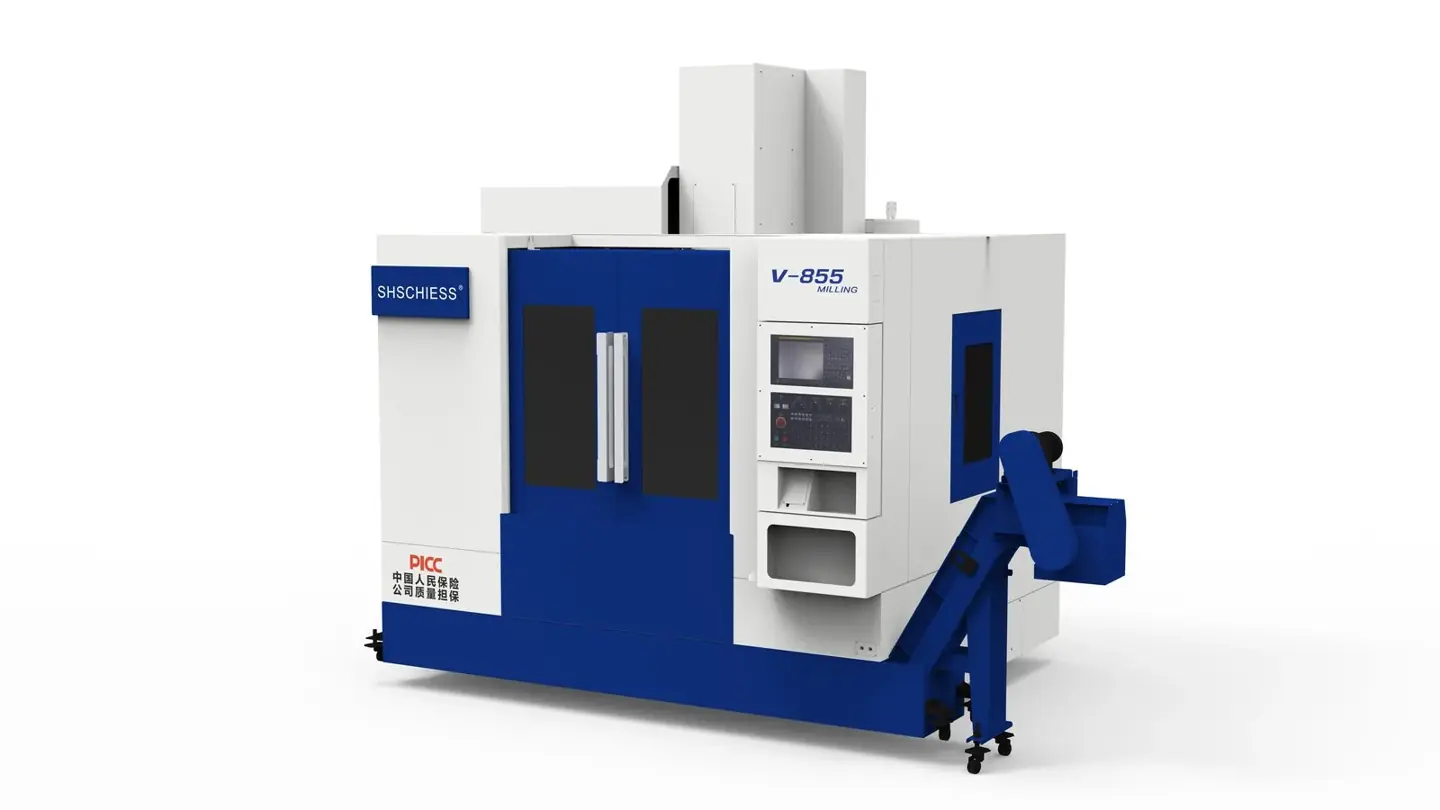
03 / MOULD BASES, CAVITY PLATES AND FIXTURES
Moulds & tooling
Review the tool length, spindle-to-table clearance and workpiece mass as well as X/Y/Z travel. The V-series offers several table and spindle configurations.
Explore relevant machines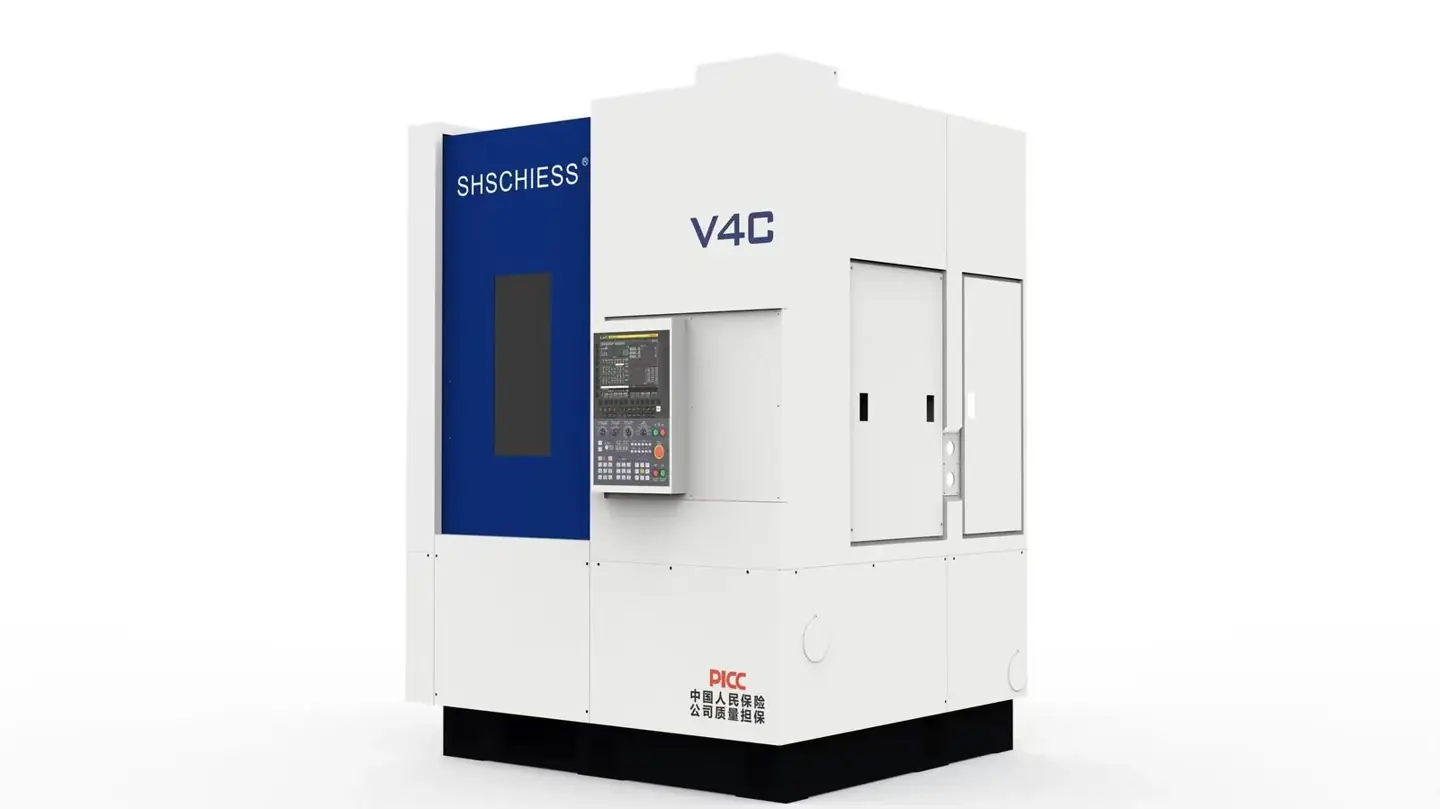
04 / SHAFTS, RINGS AND STRUCTURAL COMPONENTS
Energy components
Start with material, component mass and clamping requirements. Vertical turning can support disc and ring components; larger machining centres accommodate milled structures.
Explore relevant machines05 / OPERATOR TRAINING AND PRACTICAL MACHINING
Technical education
Choose a control system aligned with the curriculum, together with appropriate machine size, training and installation support.
Explore relevant machinesPRACTICAL ANSWERS
Application planning FAQ
What matters when quoting an automotive shaft?
Provide the blank and finished diameters, overall length, concentricity requirements and the features machined in each setup. Identify any slender sections and discuss support, chucking allowance and the inspection datum. Batch size helps frame the loading and tooling discussion.
How should I evaluate a flange or ring component?
Send outside diameter, bore, height, mass and clamping surfaces. For vertical turning, review the complete fixture and tool approach against turning diameter and height. Confirm that the proposed chuck and jaws suit the component rather than relying on bed swing alone.
Which dimensions matter for a mould base?
Include the fixture with the workpiece when checking table size, load and travel. Review the longest tool and required spindle-to-table clearance, as well as access to deep pockets and bores. The V-855, V-1160 and larger V-series reference tables provide different envelopes to compare.
What should I prepare for an energy-component review?
Identify the exact material grade, blank condition, critical dimensions and required operations. Large or heavy parts also require a loading and clamping plan. Agree any process or material-specific requirements with the engineering team before selecting the platform.
How can a training workshop choose a machine?
Start with the operations to teach, control-system preference, available space and utilities. Specify the sample parts and planned training scope. Confirm guarding, operator instructions and installation requirements for the supplied configuration.
YOUR NEXT PRODUCTION CHAPTER
Let’s build what
comes next.
Start with your component, material and production target. We will help define the machine configuration.
Discuss your project